
Blog
Five Essentials for Reliable Ductless Mini‑Split Performance in Coastal Homes
1. Match the System to the Climate, Not Just the Room
Gulf Coast weather brings high heat, heavy humidity, and long cooling seasons—all of which demand more than basic cooling power. A well-chosen ductless system balances cooling capacity with effective dehumidification so rooms feel crisp, not clammy.
In homes near lakes, marshes, and bayous, indoor air can feel heavy even at moderate temperatures. Look for inverter-driven compressors that ramp up or down smoothly to maintain steady comfort, and select indoor units with multiple fan speeds and smart dehumidification modes.
For example, a sun-soaked bonus room over a garage may need a head unit with a broad modulation range to handle late-afternoon heat spikes, while a shaded home office benefits from quiet, low-speed operation during mild mornings. When planning ductless AC installation in Slidell, homeowners should weigh coastal humidity and sun exposure before finalizing equipment.
2. Size and Place Indoor Units for Even, Quiet Comfort
Right-sizing avoids short-cycling and uneven temperatures. A room-by-room load assessment considers square footage, insulation quality, window orientation, ceiling height, and how the space is used throughout the day.
Placement matters just as much as capacity:
Mount wall units high enough for good air throw, but away from tight corners where air can stall.
Keep head units clear of bookcases, tall cabinets, and decorative beams that deflect airflow.
In open-concept living areas, choose a central mounting point facing the main seating zone to maintain a consistent feel across the space.
In bedrooms, select ultra-quiet modes and position the unit so air glides past the bed rather than blowing directly at it.
In kitchens, avoid mounting above ranges or near heat-generating appliances to reduce false load signals and improve efficiency.
3. Plan Outdoor Clearances, Drainage, and Corrosion Protection
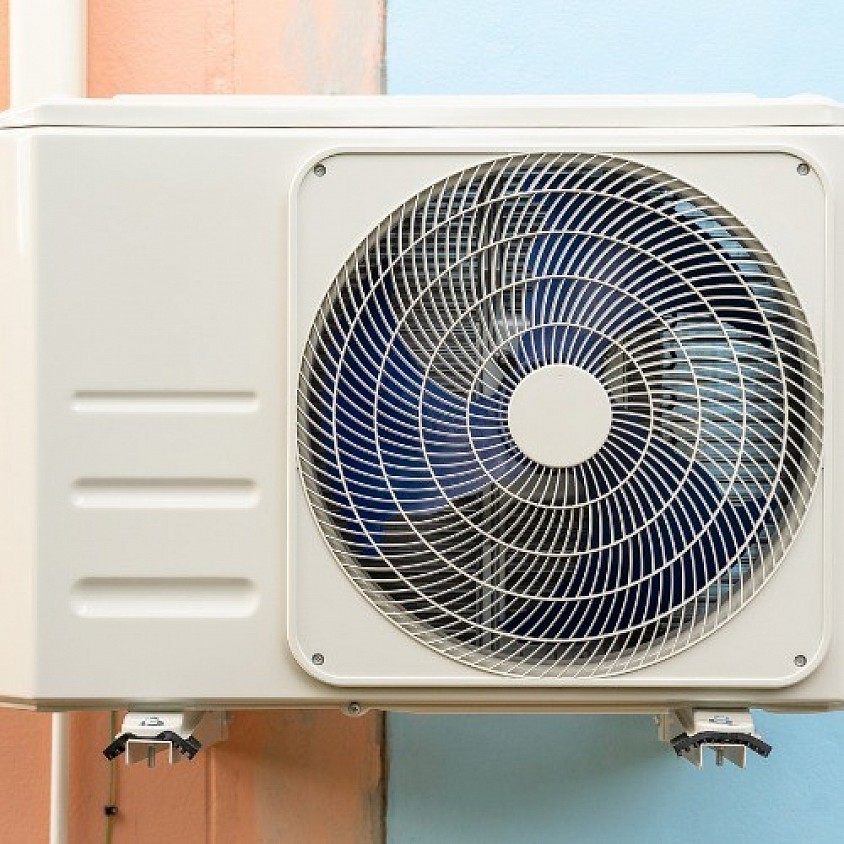
Outdoor units need adequate breathing room and protection. Maintain appropriate side, rear, and front clearances to support strong airflow and ensure service access. Elevate the condenser on a sturdy pad or wall bracket to keep it above pooling water during heavy rain and to reduce leaf accumulation.
Condensate management is just as critical inside: use properly sloped drain lines, secure traps where needed, and consider a quality condensate pump designed for quiet operation on long runs. Coastal air can also accelerate corrosion, so opt for cabinets and coils with protective finishes, and keep yard vegetation trimmed back to limit salt and debris exposure.
A simple example: positioning a condenser on the leeward side of a fence can ease wind stress while still meeting airflow requirements—just be sure to preserve clearances and avoid fully enclosed corners.
4. Ensure Electrical Readiness, Line-Set Integrity, and Smart Controls
Ductless systems rely on clean, stable power and meticulously installed refrigeration lines. Coordinate with a qualified professional to confirm the correct circuit size, dedicated disconnect, and grounded connections. Line sets should be sized to manufacturer specifications, fully insulated, and routed to minimize sharp bends.
Pay close attention to wall penetrations: thoroughly sealed sleeves keep pests and moisture out while preserving the building envelope. When multiple zones share a single outdoor unit, careful line-set routing prevents vibration and noise transfer through the structure.
Smart thermostats and integrated controls bring added value—scheduling, geofencing, and energy reports help fine-tune comfort. For example, a vacation property can use locked temperature limits and occupancy sensing to prevent waste, while a homeowner can boost efficiency with daily setback schedules that pre-cool living spaces before the family returns.
5. Maintain for Longevity: Filters, Coils, and Seasonal Checkups
Consistent upkeep keeps system performance high and energy use low. Wash or replace filters on the schedule recommended by the manufacturer, and clean return intakes to maintain unobstructed airflow. Indoor coils can collect a film from cooking oils, aerosols, and dust; gentle, approved cleaners restore heat transfer without damaging sensitive fins.
Outdoors, rinse the condenser coil with low-pressure water to remove pollen and salt residue, and inspect fan guards for trapped debris. Seasonal professional service adds another layer of protection: technicians verify the refrigerant charge, tighten electrical connections, test condensate removal, and evaluate system controls.
Imagine a multi-zone home where one head runs constantly while others remain off; a quick service visit can recalibrate controls and uncover hidden restrictions, preventing uneven wear. With routine care, a thoughtfully installed mini-split delivers whisper-quiet comfort through steamy summers and shoulder seasons alike.
Smart HVAC Strategies for Gulf Coast Comfort: Efficiency, Air Quality, and Reliability
Design for Climate Realities
Matching equipment and system design to Gulf Coast conditions is essential. The long, humid cooling season near the lake and marshes means systems must do more than just drop the temperature; they must manage moisture with steady, right-sized performance. Oversized units short-cycle, leaving indoor air clammy and utility bills higher than necessary. A properly sized heat pump or air conditioner paired with a variable-speed air handler helps extend runtime at lower speeds, wringing out moisture while keeping rooms evenly cooled.
Thoughtful placement of outdoor condensers—on elevated pads away from standing water and salt-laden winds—improves longevity and service access. Inside, ensure supply and return placements support uniform air mixing. For example, high returns in great rooms can capture rising warm air while supplies push conditioned air across seating areas. Zoning can also be valuable in multi-story or open-plan homes, allowing upstairs bedrooms and main living areas to operate on separate schedules so comfort is targeted where it is needed most.
Moisture and Air Quality Control
Pairing cooling with robust moisture management and filtration is critical in high-humidity environments. Excess moisture magnifies allergens, encourages microbial growth, and can warp wood trim or flooring. Whole-home dehumidification integrated with the air handler steadies indoor relative humidity, taking stress off the cooling coil during shoulder seasons when temperatures are mild but the air is sticky.
Balanced ventilation, using an Energy Recovery Ventilator (ERV), exchanges stale indoor air with fresh outdoor air while tempering the incoming airstream. This supports fresh-air goals without large energy penalties. Ductwork should also be pressure-tested and sealed to curb infiltration from attics and crawl spaces. A well-sealed return path prevents dust, insulation fibers, and attic odors from entering the home.
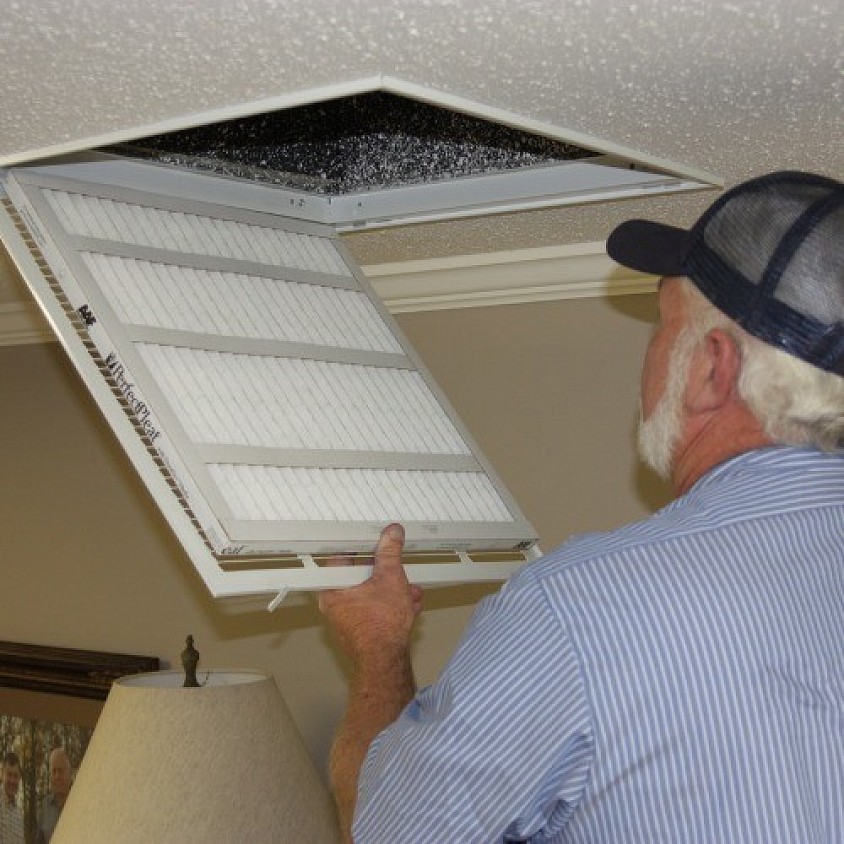
For filtration, a deep-pleat media cabinet captures fine particulates without imposing excessive static pressure. In homes with pets or recent renovations, upgrading to a higher-capacity filter cabinet and maintaining a routine replacement schedule can noticeably reduce dusting and improve breathing comfort. When talking shop in the region, it is common to hear about effective HVAC strategies in Slidell that combine dehumidification, sealing, and filtration to keep houses feeling crisp rather than damp.
Energy Efficiency with Practical Controls
Use smart controls and envelope improvements to lock in energy savings. Smart thermostats that learn daily patterns help trim runtime during work hours without sacrificing comfort when occupants return. Geofencing can pre-cool or pre-heat as vehicles approach, smoothing out demand spikes.
Pairing those controls with modest envelope upgrades—such as attic air sealing, appropriate insulation levels, and shading through exterior awnings or reflective window films—reduces heat gain so the system works less to achieve the same result. Ceiling fans support comfort by improving perceived cooling, allowing setpoints a degree or two higher on muggy afternoons.
In light-commercial spaces, occupancy sensors tied to ventilation controls can scale outside air based on usage, improving air quality while avoiding unnecessary conditioning of empty rooms. Routine coil cleaning and keeping the outdoor unit free of leaves, grass clippings, and fencing obstructions preserves airflow, which is the backbone of efficiency. Even simple habits, like keeping interior doors undercut or installing transfer grilles, maintain pressure balance and reduce hot and cold spots.
Resilience and Maintenance in Coastal Environments
Building resilience into your system plan is vital, as coastal weather can be unpredictable. Equipment protection and maintenance planning matter greatly. Surge protection for the condenser and air handler helps shield sensitive electronics from voltage spikes, while anti-corrosion coatings on outdoor coils and hardware are well suited to salty air. Rinsing coils with fresh water after severe weather can also extend equipment life.
Condensate management deserves extra attention: clear, sloped drain lines with cleanouts and safety float switches prevent leaks and ceiling damage during peak cooling months. A maintenance calendar that aligns with seasonal demands—a cooling check before the first warm spell and a heating check before the first cold snap—keeps performance steady and reveals small issues before they escalate.
For example, catching a weak capacitor or a worn contactor early can spare you a weekend without cooling. In homes with frequent vacation schedules, consider remote monitoring alerts for temperature and humidity, so any sudden change signals a need for a quick check before minor problems become major repairs.
Ductwork: The Hidden Backbone
Treat ducts as critical infrastructure. Even a premium system underperforms with leaky, undersized, or poorly routed ducts. In many homes, sealing joints with mastic and upgrading to properly sized returns can stabilize system pressures and quiet airflow. Smooth-radius elbows, short flex runs pulled tight, and appropriately sized plenums reduce turbulence and static pressure, allowing the blower to move air with less effort.
In attics, insulating ducts and relocating runs away from blistering roof decks where possible ensures delivered air stays closer to the setpoint by the time it reaches supply registers. Balancing dampers tuned during commissioning help each room receive its proper share of airflow. For example, closing a damper slightly on a short, high-pressure run can improve air delivery to a distant bedroom at the end of the trunk.
Simple verification—measuring the temperature split across the coil, checking external static pressure, and confirming room airflow with an anemometer—validates that this hidden network supports overall comfort just as effectively as the visible equipment.